
The idea of people living on the Moon used to sit firmly in sci-fi movies. Now it sounds like a real plan with dates and budgets attached. A major space tech CEO says humans could start living and working on the lunar surface by the early 2030s, and the timeline is not a wild guess.
Dylan Taylor, CEO of Voyager Technologies, shared this vision at a global conference in April 2026. He described a near future where astronauts return to the Moon before 2030 and begin setting up a base that grows into a permanent settlement. He even painted a simple image, lights glowing on the Moon that you could spot from Earth.
However, this shift is not coming from one company alone. Governments and private firms are pushing in the same direction, which changes everything. When big players line up behind the same goal, progress tends to move fast.
How We Get There?
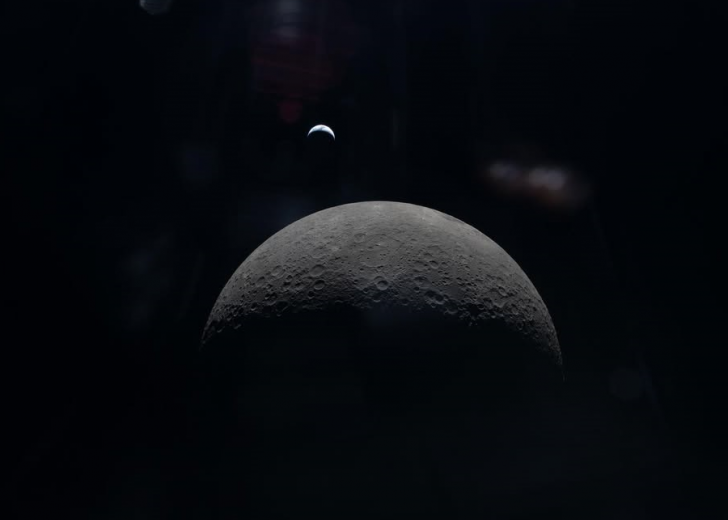
Instead of relying on a space station orbiting the Moon, NASA has changed course. The agency now wants to build directly on the lunar surface. This decision shifts money and effort toward creating a real base, not just a stopover point in space.
That base will not appear overnight. Early missions will bring small but critical pieces, including power systems, life support units, and construction tools. Each trip adds another layer, turning a temporary camp into a place where people can stay and work.
However, living on the Moon comes with a big problem: launching heavy structures from Earth costs a lot. Engineers are solving this with expandable habitats that launch small and grow large once they arrive.
Voyager Technologies is working with Max Space to build these modules. They travel in a compact form and inflate to many times their original size after landing. This approach saves weight and opens up more room for living and working once deployed.
Inside these habitats, astronauts will have pressurized environments that mimic Earth conditions. Air, temperature, and protection from radiation will all be managed carefully.
This kind of design makes long-term stays possible. Instead of short missions, crews can rotate in and out, much like workers on remote sites on Earth. That is where the idea of “living and working” really takes shape.
Private Companies are Driving Momentum
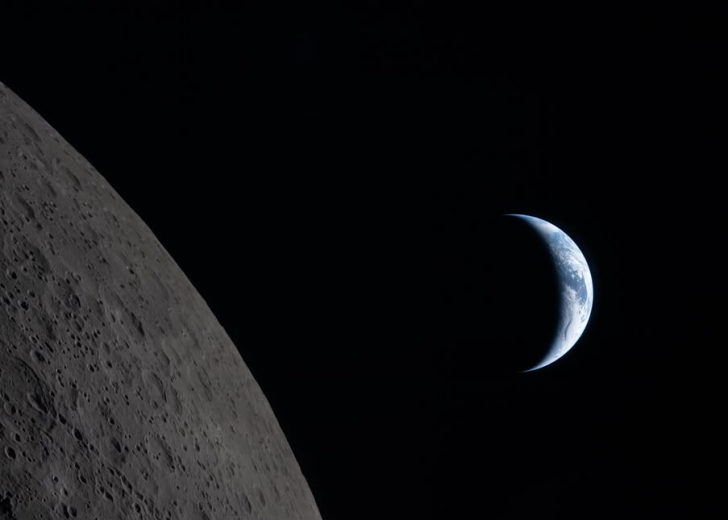
Blue Origin, led by Jeff Bezos, is also shifting focus toward a permanent lunar presence. The company has paused some tourism efforts to concentrate on building infrastructure that supports long stays on the Moon.
When multiple companies chase the same goal, innovation speeds up. Costs drop, ideas improve, and timelines shrink. This competition, mixed with collaboration, is helping turn plans into real hardware.
A Moon base needs more than walls and air. It needs power, communication, and systems that keep everything running without constant support from Earth.
NASA is exploring nuclear power options for the lunar surface. Solar energy will also play a role, but the long lunar nights require a steady backup source. Reliable power keeps life support systems running and allows work to continue around the clock.